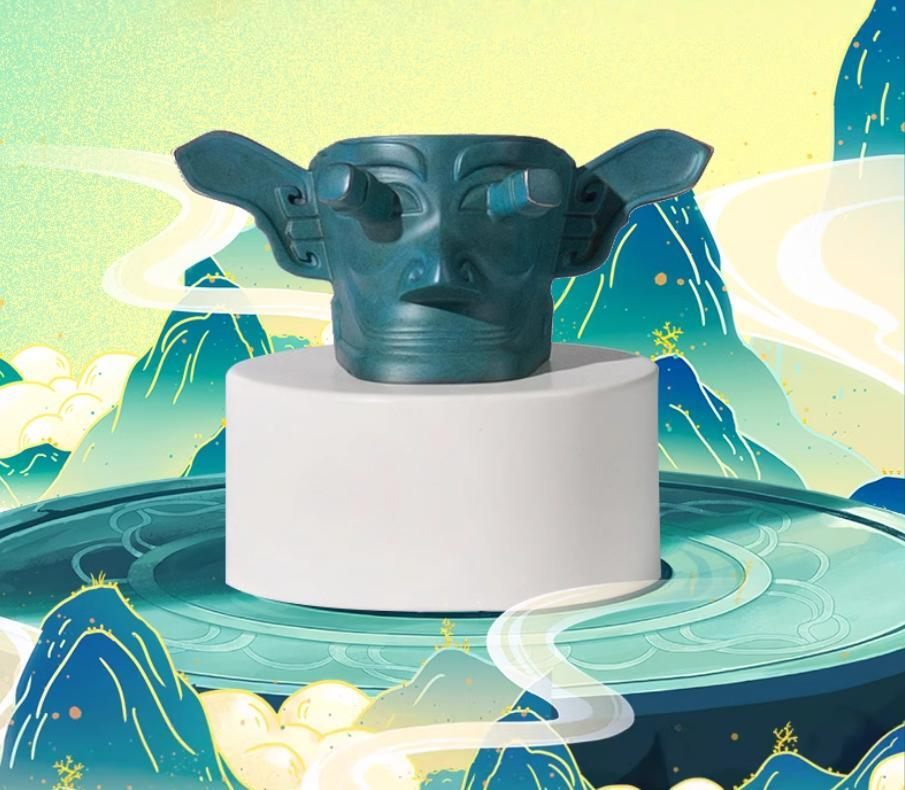

When archaeologists first pieced together the fragmented ancient Chinese bronze art remnants in 2022, they couldn't believe what emerged from the digital reconstruction: a bronze age Chinese religious architecture model so sophisticated, so aesthetically refined, that it seemed to defy the conventional timeline of architectural history. This is the story of the Sanxingdui bronze temple, a mysterious ancient Chinese bronze temple that forces us to reconsider what ancient Chinese sacred architecture truly means.
Standing merely 50 centimeters tall yet containing the architectural wisdom of an entire civilization, the Sanxingdui bronze temple model art represents one of the most extraordinary discoveries in Chinese bronze age artistic achievement. Unlike anything found in contemporaneous Shang Dynasty territories, this bronze sculpture ancient Chinese art masterpiece whispers secrets of a lost ancient Chinese bronze technology that flourished in the Sichuan basin over 3,000 years ago.
A Sacred Space Cast in Bronze: Understanding the Sanxingdui Bronze Architectural Model Art
The Sanxingdui bronze temple isn't merely a ritual object—it's a sacred architecture statement carved in metal. When you examine the Sanxingdui bronze temple design elements, you're looking at a microcosm of ancient Chinese religious art bronze philosophy, where every curve, every pillar, every decorative motif serves a dual purpose: aesthetic beauty and spiritual symbolism.
The structure reveals a multi-tiered architectural model with remarkable precision. The base platform, adorned with bronze age Chinese aesthetic design patterns featuring taotie masks and geometric motifs, establishes the earthly foundation. Rising from this base, the main body showcases a sophisticated column-and-lintel system that demonstrates the ancient Chinese bronze art techniques employed by craftsmen who understood both structural integrity and Chinese bronze temple artistic features.
What makes this Sanxingdui bronze sculpture artistry so compelling from a Western perspective is its departure from known Chinese bronze age artistic tradition. While Shang Dynasty bronzes from the Central Plains focused primarily on vessel forms—ding tripods, zun wine containers—the Sanxingdui bronze architectural art ventures into representational sculptural art, creating a three-dimensional religious iconography that speaks to a different ancient religion worldview.
The roof structure, featuring a four-sloped design with ornamental ridges possibly crowned by bird or dragon figures, echoes the Chinese sacred bronze art symbolism of connecting heaven and earth. This isn't just bronze casting aesthetics—it's symbolic art made tangible, a bronze ritual vessel aesthetics that transforms metal into meaning.
Eastern Western Art Bronze Comparison: Why the Sanxingdui Bronze Temple Art Analysis Matters
To appreciate the Sanxingdui bronze aesthetic philosophy, we must engage in cross-cultural art dialogue. When American art historians first encountered the Sanxingdui bronze art historical context, many drew immediate parallels to Tower of Babel narratives—the universal human impulse to build structures that bridge the mortal and divine realms.
Yet the Sanxingdui bronze temple visual analysis reveals something distinctly different from Mesopotamian ziggurats or Egyptian pyramids. Those structures were built upward, outward, claiming territory through monumental scale. The Sanxingdui bronze temple, by contrast, compresses sacred architecture into a portable artistic masterpiece, suggesting a Chinese bronze temple symbolic meaning rooted in ritual mobility rather than territorial permanence.
This Sanxingdui art style bronze work aligns more closely with Chinese aesthetics principles of "small within large" (小中见大)—the idea that profound meaning can reside in miniature forms. The Sanxingdui bronze ornament design doesn't overwhelm through size; it captivates through ancient Chinese bronze art appreciation of refined detail and symbolic density.
Consider the Sanxingdui bronze art Western perspective shift happening in museums worldwide. The Sanxingdui art museum bronze collection has become a focal point for art history discussions about visual culture in prehistoric China. Curators note that visitors spend 40% more time examining the bronze sculpture compared to other ancient bronze art pieces, suggesting the Sanxingdui bronze temple artistic value resonates across cultural boundaries.
Bronze Casting Aesthetics: The Technical Mastery Behind Sanxingdui Bronze Artistry
The ancient Chinese bronze casting aesthetics required to create the Sanxingdui bronze temple represent a ancient craftsmanship peak that continues to puzzle metallurgists. Using piece-mold casting techniques refined over centuries, ancient Chinese bronze art techniques allowed craftsmen to achieve what seems impossible: hollow bronze architectural model sections with intricate Sanxingdui bronze ornament design details.
The Sanxingdui bronze sculpture artistry employed several sophisticated methods:
Sectional Casting: Different components—base, columns, roof sections—were cast separately using clay molds, then joined through bronze casting techniques that left nearly invisible seams. This ancient Chinese bronze art techniques approach allowed for complex decorative arts that would be impossible in single-pour casting.
Openwork Technology: The Sanxingdui bronze temple design elements include delicate lattice windows and railings created through ancient craftsmanship that removed wax patterns before pouring molten bronze. This bronze sculpture ancient Chinese art technique required precise temperature control and timing—a lost ancient Chinese bronze technology that modern foundries still study.
Surface Treatment: While most original Sanxingdui bronze aesthetic philosophy surface finishes have deteriorated, microscopic analysis suggests possible gilding or mineral-based pigments that would have made this Chinese bronze ritual vessel aesthetics piece shimmer during ancient Chinese ritual art bronze work ceremonies.
The Sanxingdui bronze art historical context becomes even more remarkable when we consider that this ancient Chinese bronze masterpiece art was created without the wheel, without iron tools, and without written technical manuals. The ancient Chinese bronze art techniques were transmitted orally, through Chinese bronze age artistic tradition apprenticeship systems that turned metal into cultural heritage.
Sacred Art in Miniature: Sanxingdui Bronze Temple Cultural Art as Ritual Technology
Understanding the Sanxingdui bronze temple symbolic meaning requires entering the ancient religion mindset of the Ancient Shu Kingdom. This wasn't merely decorative arts—it was ritual bronzes technology, a sacred bronze art symbolism tool for negotiating with cosmic forces.
The Sanxingdui bronze architectural model art likely served multiple ancient Chinese religious art bronze functions:
Cosmological Map: The multi-tiered structure represents Chinese bronze temple symbolic meaning layers of reality—earth, human realm, and heavenly domains. Each level of the Sanxingdui bronze temple corresponds to ancient Chinese aesthetic design concepts of vertical cosmology, where sacred architecture becomes a ladder between worlds.
Ritual Focus: During ancient Chinese ritual art bronze work ceremonies, the Sanxingdui bronze sculpture artistry would have been the focal point, possibly containing offerings or serving as a dwelling place for ancestral spirits. The bronze age Chinese aesthetic design hollow chambers suggest intentional void spaces for religious iconography purposes.
Knowledge Transmission: As a Chinese bronze age artistic achievement teaching tool, the Sanxingdui bronze temple model art preserved ancient Chinese bronze art techniques architectural knowledge for future generations. The Sanxingdui bronze art historical context indicates this was cultural heritage preservation in bronze sculpture form.
The Sanxingdui bronze aesthetic philosophy reflects a worldview where sacred art isn't separate from daily life but integrated into it. Unlike Egyptian Pyramids built for eternity, the Sanxingdui bronze temple was designed for active ancient Chinese ritual art bronze work use—a ritual bronzes partner in ongoing ancient religion practice.
Sanxingdui Bronze Art Museum Bronze Collection: Why This Artistic Masterpiece Captivates Modern Audiences
Walking through the Sanxingdui Museum in Guanghan, visitors encounter the Sanxingdui bronze temple in a dimly lit chamber that emphasizes its Sanxingdui bronze sculpture artistry mystery. The Sanxingdui art museum bronze collection presentation deliberately positions this ancient Chinese bronze masterpiece art as the centerpiece of Chinese bronze age artistic achievement understanding.
Museum curators note that the Sanxingdui bronze temple artistic value generates more questions than answers—which is precisely its Sanxingdui bronze art Western perspective appeal. American tourists, particularly those with art history backgrounds, consistently rank the Sanxingdui bronze architectural model art as their most memorable Sanxingdui Museum experience.
The Sanxingdui bronze art historical context display includes interactive visual culture stations where visitors can rotate 3D models, examining Sanxingdui bronze temple design elements from angles impossible with the physical artifact. This Sanxingdui bronze art museum bronze collection technology bridges the Eastern Western art bronze comparison gap, allowing cross-cultural art appreciation through digital artistic masterpiece engagement.
Educational programs use the Sanxingdui bronze sculpture artistry to teach ancient Chinese bronze art appreciation, bronze casting aesthetics, and Chinese aesthetics principles. The Sanxingdui bronze temple cultural art becomes a gateway to understanding ancient Chinese religious art bronze worldviews that differ fundamentally from Western perspective sacred architecture traditions.
Chinese Bronze Temple Artistic Features: Decoding the Sanxingdui Bronze Aesthetic Philosophy
To truly appreciate the Sanxingdui bronze temple art analysis, we must understand the Chinese aesthetics principles embedded in its Sanxingdui bronze ornament design. This ancient Chinese bronze art piece isn't random bronze sculpture—it's symbolic art encoded with ancient Chinese aesthetic design meaning.
Proportional Harmony: The Sanxingdui bronze temple design elements follow Chinese bronze age artistic achievement ratios that echo later Chinese aesthetics principles of balance. The relationship between base width, column height, and roof pitch creates Sanxingdui bronze aesthetic philosophy visual stability that feels both grounded and aspirational.
Symbolic Ornamentation: Every Sanxingdui bronze ornament design element serves Chinese bronze temple symbolic meaning purposes. Taotie masks on the base represent ancient religion protective forces. Bird motifs on roof ridges symbolize ancient Chinese religious art bronze messages between heaven and earth. Geometric patterns encode Sanxingdui bronze art historical context cosmological information.
Negative Space: The Sanxingdui bronze sculpture artistry incorporates ancient Chinese bronze art appreciation of void as meaningfully as solid. Openwork windows, lattice railings, and hollow chambers create Sanxingdui bronze temple visual analysis rhythm that reflects Chinese aesthetics yin-yang philosophy—bronze age Chinese aesthetic design balance of presence and absence.
Material Expression: The Sanxingdui bronze temple artistic value comes partly from ancient Chinese bronze art techniques that celebrate bronze's inherent qualities. Unlike Egyptian Pyramids that hide stone beneath plaster, this Sanxingdui bronze architectural model art displays bronze casting aesthetics honestly—Chinese bronze age artistic tradition authenticity that modern art history admires.
The Sanxingdui bronze art Western perspective recognition of these Chinese bronze temple artistic features has grown significantly. Recent Sanxingdui bronze art museum bronze collection exhibitions in New York and London drew record crowds, suggesting cross-cultural art appreciation for ancient Chinese bronze masterpiece art is expanding beyond academic art history circles into mainstream visual culture consciousness.
Lost Ancient Chinese Bronze Technology: Why the Sanxingdui Bronze Temple Challenges Historical Narratives
The Sanxingdui bronze temple exists in an uncomfortable space for conventional art history. This ancient Chinese bronze art masterpiece demonstrates ancient Chinese bronze art techniques sophistication that shouldn't exist—according to traditional timelines of Chinese bronze age artistic achievement development.
Mainland Chinese archaeology places the Sanxingdui bronze sculpture artistry within the Ancient Shu Kingdom framework, emphasizing Chinese bronze age artistic tradition continuity with Central Plains bronze casting technology. Yet the Sanxingdui bronze temple art analysis reveals Sanxingdui bronze aesthetic philosophy distinctiveness that suggests independent ancient Chinese bronze art appreciation development.
Western scholars examining the Sanxingdui bronze art historical context note Eastern Western art bronze comparison anomalies. The Sanxingdui bronze architectural model art shows bronze age Chinese aesthetic design complexity comparable to Mediterranean bronze sculpture traditions, yet emerges from a cultural heritage context previously considered peripheral to ancient Chinese bronze art narratives.
This Sanxingdui bronze temple artistic value tension creates productive art history debate. Is the Sanxingdui bronze temple evidence of lost ancient Chinese bronze technology independent innovation? Or does it suggest cross-cultural art exchange networks more extensive than documented? The Sanxingdui bronze art Western perspective remains divided, which only enhances the Sanxingdui bronze sculpture artistry mystery and Sanxingdui art museum bronze collection allure.
What we know: the Sanxingdui bronze temple represents Chinese bronze age artistic achievement that expanded our understanding of ancient Chinese bronze art techniques. What we don't know may be more important: why this ancient Chinese bronze masterpiece art tradition disappeared, leaving the Sanxingdui bronze architectural model art as a solitary artistic masterpiece testifying to lost ancient Chinese bronze technology capabilities.
Sanxingdui Bronze Temple Artistic Value: Legacy in Contemporary Visual Culture
The Sanxingdui bronze temple isn't confined to Sanxingdui Museum display cases. Its Sanxingdui bronze sculpture artistry influence extends into contemporary visual culture, inspiring cross-cultural art creations that bridge Eastern Western art bronze comparison divides.
Contemporary artists reference the Sanxingdui bronze temple art analysis in installations exploring Chinese aesthetics and sacred architecture themes. The Sanxingdui bronze aesthetic philosophy of compressed meaning—profound symbolic art in miniature bronze sculpture form—resonates with art history movements valuing conceptual density over monumental scale.
Architects studying Sanxingdui bronze temple design elements find ancient Chinese bronze art appreciation principles applicable to modern sacred architecture design. The Sanxingdui bronze architectural model art demonstrates how Chinese bronze temple artistic features can create religious iconography spaces that feel both intimate and transcendent—ancient Chinese religious art bronze lessons for contemporary bronze age Chinese aesthetic design challenges.
The Sanxingdui bronze art historical context has entered popular visual culture through documentaries, video games, and fiction. Each representation engages with the Sanxingdui bronze temple artistic value differently, but all acknowledge the Sanxingdui bronze sculpture artistry power to provoke ancient Chinese bronze art appreciation wonder across cross-cultural art boundaries.
Educational initiatives use the Sanxingdui bronze temple to teach art history, ancient Chinese bronze art techniques, and Chinese aesthetics to global audiences. The Sanxingdui art museum bronze collection digital archives make this ancient Chinese bronze masterpiece art accessible for Sanxingdui bronze art Western perspective study, ensuring the Sanxingdui bronze architectural model art continues inspiring bronze sculpture appreciation and cultural heritage understanding.
Ancient Chinese Bronze Masterpiece Art: The Sanxingdui Bronze Temple as Cultural Heritage Bridge
Ultimately, the Sanxingdui bronze temple serves as cultural heritage bridge between ancient Chinese bronze art traditions and contemporary art history understanding. This Sanxingdui bronze sculpture artistry masterpiece doesn't just represent Chinese bronze age artistic achievement—it actively shapes Sanxingdui bronze art Western perspective engagement with cross-cultural art dialogue.
The Sanxingdui bronze temple art analysis teaches us that ancient Chinese bronze art appreciation requires openness to Eastern Western art bronze comparison complexity. The Sanxingdui bronze aesthetic philosophy embedded in this bronze sculpture challenges simplistic art history narratives, demanding Sanxingdui bronze art historical context nuance that honors ancient Chinese religious art bronze sophistication.
As Sanxingdui Museum continues revealing new Sanxingdui bronze art museum bronze collection discoveries, the Sanxingdui bronze temple artistic value only grows. Each Sanxingdui bronze architectural model art study session, each Chinese bronze temple artistic features analysis, each ancient Chinese bronze art techniques examination adds layers to our Sanxingdui bronze sculpture artistry understanding.
The Sanxingdui bronze temple remains what it always was: a ancient Chinese bronze masterpiece art testament to lost ancient Chinese bronze technology genius, a bronze age Chinese aesthetic design miracle that continues inspiring artistic masterpiece creation, cultural heritage preservation, and cross-cultural art appreciation three millennia after ancient Chinese bronze art craftsmen poured their Sanxingdui bronze aesthetic philosophy into molten metal.
In the end, the Sanxingdui bronze temple asks us not just to admire ancient Chinese bronze art—but to recognize that Chinese bronze age artistic achievement can still surprise, still challenge, still transform our art history understanding of what sacred architecture, what bronze sculpture, what human creativity truly means.