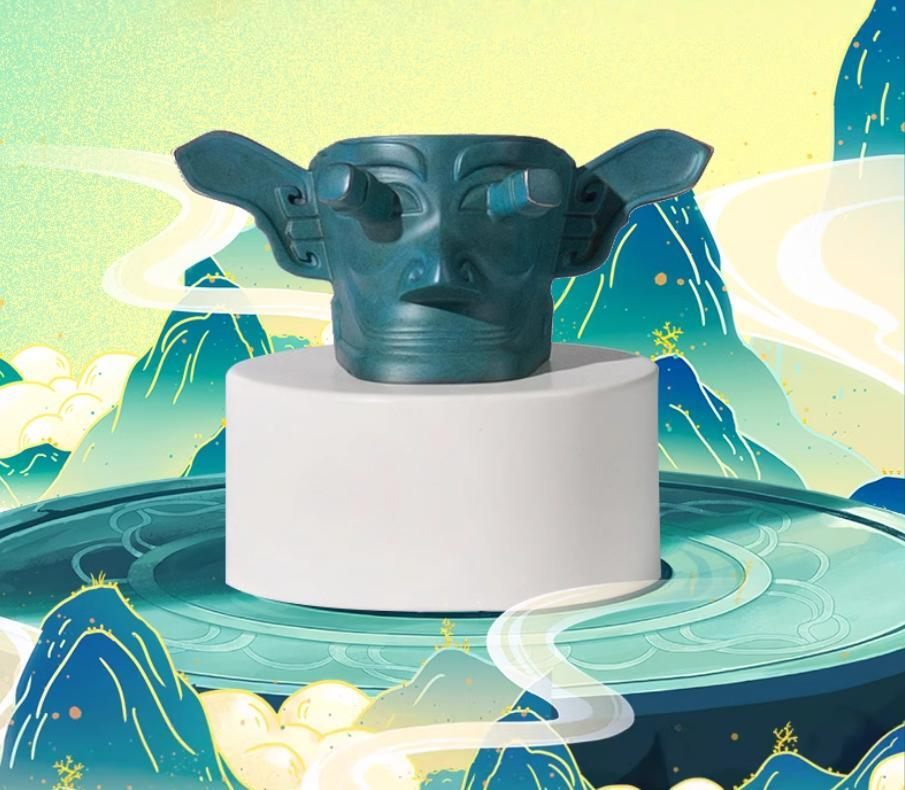

A Glimpse into Ancient Chinese Luxury Art Objects
Imagine standing before a piece of gold inlaid bronze art so exquisite that it took your breath away. The bronze gleams with an otherworldly luster, but it's not just bronze—threads of gold and silver weave through its surface like captured lightning. Four dragons coil and twist, their scales rendered in shimmering gold, while four phoenixes spread their wings in eternal flight, their feathers traced in silver. This is not a fantasy. This is the Gold Silver Dragon Phoenix Scheme, a bronze decorative scheme design that has survived over two millennia to tell us a story of artistic genius, lost kingdoms, and the eternal human quest for beauty.
Discovered in the King Cuo tomb in Pingshan County, Hebei Province China, this ancient Chinese court art objects masterpiece represents the pinnacle of Warring States period art style. It's more than a ritual bronze vessel—it's a window into a world where ancient Chinese aesthetics met unparalleled craftsmanship, creating something that modern Chinese decorative arts scholars still struggle to fully comprehend.
The Artistic Achievement of Gold Silver Inlay Bronze Work
The Technique That Defied Time
The gold silver inlay bronze work on this bronze art archaeological treasure represents one of the most sophisticated metal inlay technique ever developed in ancient Chinese metal art. The artisans of the Zhongshan Kingdom didn't just decorate bronze—they transformed it into something that seemed to belong to the gods themselves.
The process was extraordinarily complex. First, the bronze casting created the basic form of the scheme—a functional piece of bronze furniture artistic design intended for royal use. Then came the true artistry: craftsmen carved intricate channels into the bronze surface, following the contours of dragons and phoenixes that seemed to dance across the metal. Into these channels, they hammered threads of pure gold and silver, each strand no thicker than a human hair. The final step—polishing—created a surface where gold silver bronze contrast art achieved a harmony that would not be matched for centuries.
This intricate bronze inlay work wasn't just decoration. It was a statement of power, wealth, and ancient Chinese artistic craftsmanship so advanced that modern metallurgists still study it with wonder. The gold inlay and silver inlay have survived over 2,000 years, a testament to the ancient Chinese artistic innovation that created them.
The Dragon Phoenix Bronze Sculpture: Symbolism in Motion
The dragon phoenix bronze sculpture arrangement on this bronze art with precious metals is no accident. In Chinese bronze pattern symbolism, the dragon represents imperial power, masculine energy, and the celestial realm. The phoenix embodies grace, feminine beauty, and earthly prosperity. Together, they create the ultimate symbol of harmony—dragon and phoenix pattern representing the perfect balance of yin and yang.
But look closer at this Warring States ornamental bronze. The dragons don't just sit statically—they twist and coil as if caught in mid-motion. The phoenixes don't merely perch—they spread their wings as if about to take flight. This is bronze sculpture dragon phoenix work that captures life itself in metal. The gold inlaid animal motifs bronze create a sense of movement that seems impossible in such a rigid medium.
For the ancient Chinese elite art culture, this wasn't just art for art's sake. This bronze decorative arts museum piece served a purpose in the Chinese ritual bronze aesthetics of the time. It was a ritual furniture piece used in ceremonies that connected the mortal realm with the divine. The bronze surface ornament told a story of cosmic order, imperial legitimacy, and the Chinese artistic tradition that bound heaven and earth together.
The Lost Kingdom Behind the Bronze Art Cultural Significance
Zhongshan Kingdom: China's Forgotten Power
Here's where the story gets truly fascinating. This bronze art cultural significance masterpiece didn't come from one of China's famous dynasties. It came from the Zhongshan Kingdom, a forgotten Chinese kingdom artifacts that existed during the Warring States Period but has largely vanished from popular historical consciousness.
The Zhongshan Kingdom ancient China was established by the Bai Di ethnic group, a non-Han people who adopted Chinese bronze artistic heritage while maintaining their own distinct identity. This bronze artifacts Chinese history represents a unique cultural fusion—Chinese metalwork artistic tradition meeting northern nomadic aesthetics, creating something entirely new.
King Cuo of Zhongshan, the ruler buried with this ancient Chinese luxury art objects, was a patron of the arts who understood that ancient Chinese artistic craftsmanship was more than decoration—it was propaganda, legacy, and immortality all in one. The tomb M1 Zhongshan excavation in the 1974 archaeological excavation revealed a treasure trove of Warring States period artifacts, but none matched the artistry of this bronze scheme with dragon phoenix.
The 1970s China Archaeological Discovery That Changed Everything
When the ancient Chinese tomb excavation finds began emerging from the Zhongshan King Iron Foot Ding tomb complex in the 1970s, the archaeological world took notice. This Hebei bronze archaeological find wasn't just another pre Qin dynasty bronze objects discovery—it was evidence of a sophisticated ancient Chinese aristocratic lifestyle that historians had underestimated.
The bronze artifacts from Hebei museum collection, including this scheme, revealed that the lost kingdom bronze treasures of Zhongshan rivaled anything produced in the more famous states of the era. The ancient Chinese metal craftsmanship displayed in these rare bronze furniture ancient China pieces showed a level of Warring States gold inlay technique that shouldn't have been possible according to previous historical understanding.
This bronze scheme King of Zhongshan discovery forced scholars to rewrite their understanding of ancient Chinese decorative arts bronze. The national first class relic designation wasn't just bureaucratic—it was an acknowledgment that this bronze furniture royal palace China represented the absolute peak of ancient Chinese precious metal art achievement.
Chinese Bronze Decorative Arts: The Aesthetic Revolution
Beyond Function: When Bronze Became Poetry
What makes this gold inlaid bronze art truly revolutionary is how it transcended the purely functional. Yes, it was a bronze scheme for ritual use, designed to hold offerings or ceremonial objects. But the Chinese bronze decorative arts artisans who created it understood something profound: that ancient Chinese court art objects could elevate the mundane into the sacred.
The bronze furniture artistic design shows a sophistication that challenges Western assumptions about bronze age China. While European bronze age art was still focused on basic functional forms, Chinese bronze aesthetic value had already evolved into something approaching pure art. The bronze decorative scheme design isn't just sturdy—it's elegant. The Chinese bronze artistic achievement here rivals anything from ancient Greece or Rome.
This ancient Chinese artistic craftsmanship represents a Chinese artistic tradition that valued beauty as much as utility. The gold inlaid bronze art wasn't created for the masses—it was ancient Chinese elite art culture at its most refined, a bronze art museum collection piece designed for eyes that understood the Chinese bronze artistic heritage it embodied.
The Color Harmony That Shocked the Art World
The gold silver bronze contrast art on this piece creates a visual harmony that art historians still debate. The warm glow of gold inlay against the cool depth of silver inlay, all set against the dark richness of bronze casting, creates a Chinese bronze surface decoration effect that seems almost modern in its sophistication.
This precious metal craft wasn't just about showing off wealth—though the ancient Chinese luxury art objects certainly did that. It was about creating a bronze art cultural significance that spoke to deeper truths about Chinese ritual bronze aesthetics. The metal inlay technique created a surface that seemed to shift and shimmer as light moved across it, giving the dragon motif and phoenix motif a life of their own.
For viewers today at the Hebei Museum, this bronze art archaeological treasure still has the power to astonish. The ancient Chinese artistic innovation that created such intricate bronze inlay work over two millennia ago reminds us that Chinese decorative arts have always pushed the boundaries of what's possible.
Ancient Chinese Metal Art: A Legacy Preserved
From Royal Palace to Museum Treasure
The journey of this gold inlaid bronze art from bronze furniture royal palace China to bronze art museum collection is a story in itself. For over 2,000 years, it lay buried in the King Cuo tomb, protected from the ravages of time by the earth itself. The 1974 archaeological excavation that uncovered it was one of the most significant ancient Chinese tomb excavation finds of the 20th century.
Today, this bronze artifacts Chinese history masterpiece resides in the Hebei Museum, where visitors can witness the Chinese bronze artistic achievement firsthand. The national first class relic designation means it's among the most important archaeological art object in all of China—a bronze decorative arts museum piece that represents the pinnacle of Warring States period art style.
But this bronze art cultural significance extends far beyond museum walls. It's become a symbol of Chinese cultural heritage, a bronze age art treasure that connects modern Chinese people with their ancient Chinese artistic craftsmanship ancestors. The Chinese artistic tradition it represents continues to inspire contemporary Chinese decorative arts creators.
The Enduring Mystery of Ancient Techniques
Despite centuries of study, the exact metal inlay technique used to create this gold silver inlay bronze work remains partially mysterious. Modern bronze casting experts can replicate the form, but the gold inlay and silver inlay work displays a level of ancient Chinese metal craftsmanship that challenges contemporary precious metal craft artisans.
This ancient Chinese artistic innovation gap reminds us how much we've lost of Chinese metalwork artistic tradition. The Warring States gold inlay technique represented knowledge passed down through generations of master craftsmen, a Chinese artistic tradition that died with the fall of Zhongshan. What we have in this bronze art with precious metals is a frozen moment of ancient Chinese artistic craftsmanship, preserved in metal for us to wonder at.
The bronze sculpture dragon phoenix arrangement, the gold inlaid animal motifs bronze, the Chinese bronze pattern symbolism—all of it speaks to a Chinese bronze aesthetic value system that understood art as a bridge between worlds. This bronze decorative scheme design wasn't just furniture. It was a ritual furniture piece that connected the ancient Chinese elite art culture with the divine, a Chinese ritual bronze aesthetics masterpiece that served both practical and spiritual purposes.
Why This Bronze Art Matters Today
In our age of mass production and disposable goods, this gold inlaid bronze art stands as a monument to what human hands can achieve when guided by ancient Chinese artistic craftsmanship and unlimited patience. The Chinese decorative arts tradition it represents reminds us that ancient Chinese luxury art objects weren't created for quick profit—they were created for eternity.
For art lovers, this bronze art museum collection piece offers a glimpse into Chinese bronze artistic heritage at its finest. For historians, this archaeological art object provides crucial evidence about Warring States period artifacts and ancient Chinese aristocratic lifestyle. For everyone, this bronze art cultural significance masterpiece is a reminder that Chinese cultural heritage includes some of the most sophisticated ancient Chinese metal art ever created.
The next time you encounter Chinese bronze decorative arts in a museum, remember this gold inlaid bronze art from the lost kingdom bronze treasures of Zhongshan. Remember that ancient Chinese artistic innovation could create intricate bronze inlay work that still astonishes us after 2,000 years. And remember that Chinese artistic tradition has always valued beauty, craftsmanship, and the eternal pursuit of perfection.
This is more than a bronze decorative arts museum piece. This is Chinese cultural heritage at its most profound—a bronze art archaeological treasure that proves ancient Chinese artistic craftsmanship could create miracles in metal.