
The Discovery That Changed Everything
In the summer of 1978, something extraordinary emerged from the earth in Suizhou, Hubei Province. Archaeologists clearing soil from what they thought was an ordinary mound suddenly realized they had stumbled upon one of the most significant archaeological discoveries of the 20th century. The tomb of Marquis Yi of Zeng, untouched for over 2,400 years, lay before them in perfect preservation.
Among the 15,000 artifacts that would eventually be unearthed from this Warring States Period burial chamber, one object commanded particular fascination: a bronze drum base of such intricate artistry and sophisticated design that it challenged everything Western art historians thought they knew about ancient Chinese metalwork sculpture.
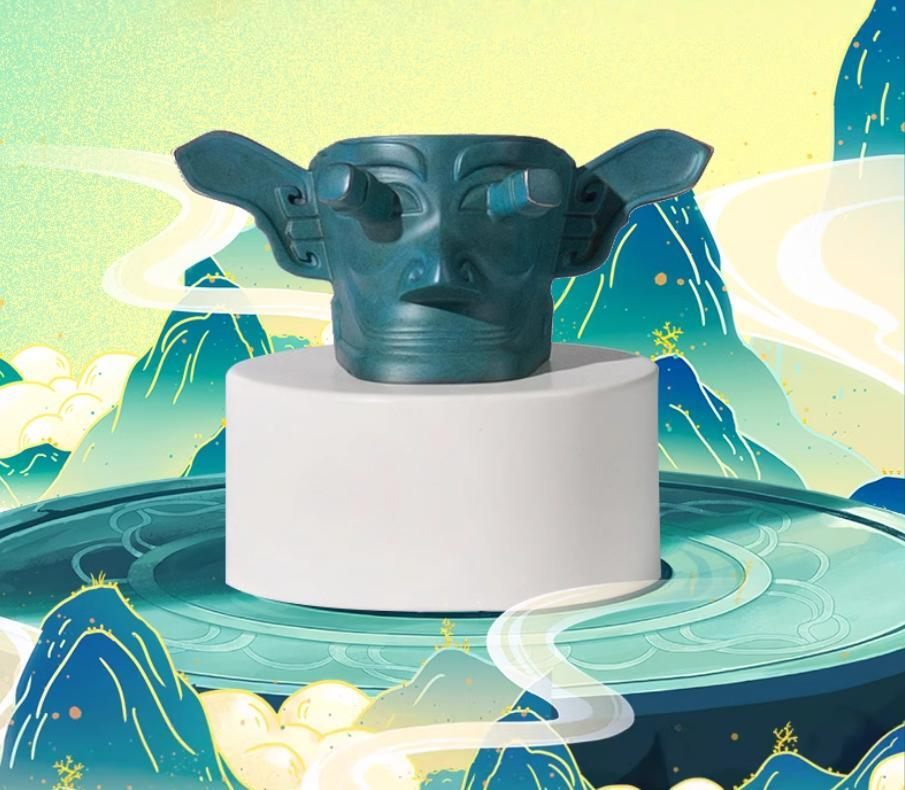
This was not merely a functional object. This was ancient Chinese bronze sculpture at its absolute pinnacle—a piece where art, power, music, and spirituality converged into a single breathtaking form. The Zeng Marquis Drum Base (曾侯乙建鼓底座) would become a cornerstone artifact in understanding how ancient Chinese aristocratic art expressed authority through aesthetic mastery.
Standing approximately 50 centimeters tall with a diameter of 80 centimeters, weighing between 100-150 kilograms, this bronze drum base decorative art masterpiece was designed to support a towering ceremonial drum known as a "jian gu" (建鼓). But to call it merely a "drum stand" would be like calling the Statue of Liberty merely a "copper structure." This was functional sculpture of the highest order—an object that transformed musical performance into political theater, and ritual into art.
The Art of Bronze: Warring States Period Design Aesthetics
To understand the artistic features of the Zeng Marquis Drum Base, we must first appreciate the revolutionary moment in Chinese bronze age artistry when it was created. The Warring States Period (475-221 BCE) represented a dramatic shift in ancient Chinese aesthetics—a move away from the rigid, mysterious forms of earlier Shang and Zhou dynasty bronzes toward something more dynamic, more expressive, more alive.
The Evolution of Chinese Bronze Art
Earlier Chinese bronzes, particularly those from the Shang Dynasty (1600-1046 BCE), were characterized by their imposing bronze ornamentation featuring taotie masks—those mysterious, symmetrical creature faces that seem to stare eternally outward. These were objects of terror and awe, designed to intimidate and overwhelm. The decorative patterns were bold, the forms massive, the intent clear: these were vessels of power meant to communicate with spirits and ancestors through visual intimidation.
But by the time we reach the Warring States Period, something profound had changed. The Warring States period art style had evolved toward greater sophistication, complexity, and—dare we say it—beauty. The bronze surface decoration became more intricate, more refined. Artisans were no longer content with simple power symbols; they sought to create objects that were not just spiritually potent but visually stunning.
The Zeng Marquis Drum Base exemplifies this transformation. Where earlier bronzes might have featured a single, dominating motif, this piece displays a bronze texture pattern design of extraordinary complexity. Interlacing dragons, coiling serpents, cloud patterns, and geometric motifs weave together in a visual symphony that rivals any ancient luxury art objects China has produced.
The Technical Mastery Behind the Beauty
What makes this bronze sculpture even more remarkable is the technical achievement required to create it. The artisans who crafted this ancient Chinese ritual art object employed sophisticated bronze casting artistic technique that pushed the boundaries of what was possible in the 5th century BCE.
Using the piece-mold technique (陶范法), craftsmen created multiple clay molds that were then assembled and filled with molten bronze. For complex three-dimensional elements, they employed the lost-wax method (失蜡法), allowing for unprecedented detail in the decorative art. Some components were cast separately and then joined using copper or lead-tin welding—a metal casting beauty achievement that demonstrates remarkable metallurgical knowledge.
The result is a functional ritual art China piece that is simultaneously:
- Structurally sound enough to support a massive drum during vigorous ceremonial performance
- Aesthetically refined enough to serve as a centerpiece of aristocratic display
- Symbolically rich enough to communicate complex spiritual and political messages
This is Chinese bronze artistic heritage at its finest—an object that proves the artisans of the Warring States Period had achieved a level of craft artistry that would not be surpassed for centuries.
Form Follows Function: The Sculptural Logic of Ceremonial Design
One of the most fascinating aspects of the Zeng Marquis Drum Base is how its artistic design perfectly serves its functional purpose. This is not art for art's sake; this is ancient Chinese functional sculpture where every aesthetic choice reinforces the object's role in ritual performance.
The Architecture of Sound
The bronze drum base was designed to support a jian gu—a large vertical drum that stood several meters tall. The drum itself has long since decayed (organic materials rarely survive 2,400 years), but we can reconstruct its appearance from contemporary texts and artistic depictions.
The base needed to accomplish several things simultaneously:
- Provide absolute stability for a tall, heavy instrument
- Withstand the physical force of drumming during ceremonies
- Elevate the drum to a visually commanding position
- Serve as an aesthetic focal point in the ritual space
The bronze stand artistic features address each of these requirements through sophisticated design. The wide, circular base (approximately 80cm in diameter) provides a low center of gravity. The central socket—where the drum pole would be inserted—is reinforced to handle vertical pressure. The overall mass (100-150kg) ensures the piece won't tip or shift during performance.
But here's where it gets interesting from an art historical perspective: the artisans didn't just make it functional. They made it beautiful. The Warring States decorative patterns covering the surface aren't random ornamentation; they're carefully composed visual elements that guide the eye upward, emphasizing the vertical axis of the drum and creating a sense of ascending power.
The Visual Language of Authority
Every element of the bronze drum base visual art communicates something about power and hierarchy. The intricate decorative patterns—featuring dragons, phoenixes, and other mythological creatures—aren't just decorative. In ancient Chinese aesthetics, these motifs carried specific symbolic meanings:
- Dragons (龙): Represent imperial authority, cosmic power, and the ability to move between heaven and earth
- Phoenixes (凤): Symbolize virtue, grace, and the harmonious rule of a just leader
- Cloud patterns (云纹): Suggest the celestial realm and the ruler's connection to heavenly mandate
- Geometric motifs: Express order, structure, and the organized nature of proper governance
When a visitor to Marquis Yi's court saw this bronze musical instrument art piece, they weren't just looking at a drum stand. They were witnessing a visual manifesto of the marquis's right to rule. The ancient Chinese design aesthetics embedded in this object communicated: "This leader has the artistic sophistication, the technical resources, and the spiritual authority to command such craftsmanship."
This is Chinese metal casting beauty deployed as political communication—an aristocratic art statement that said power and beauty are inseparable.
The Music-Art Fusion: When Sound Becomes Sculpture
Perhaps the most unique aspect of the Zeng Marquis Drum Base is how it represents a fusion of two artistic domains: visual art and musical art. This is ancient Chinese music art fusion in its most literal form—a sculpture that exists to create sound, a visual object whose ultimate purpose is auditory experience.
The Ceremonial Orchestra
To understand why this bronze ritual sculpture art was so important, we need to reconstruct the musical context in which it operated. The tomb of Marquis Yi contained a complete ceremonial orchestra:
- 65 bronze bells (the famous Bianzhong编钟)
- 32 stone chimes (Bianqing编磬)
- The jian gu drum on its bronze base
- Various string instruments (se瑟)
- Wind instruments (sheng笙, xiao箫, paixiao排箫, chi篪)
This wasn't a casual jam session. This was a highly structured court orchestra performing precisely choreographed ritual music. The ancient Chinese orchestra instruments each had specific roles, specific positions, and specific moments when they would sound.
The jian gu drum, supported by our bronze drum base, served as the rhythmic foundation—the instrument that kept time, signaled transitions, and provided the percussive backbone for the entire ensemble. In many ways, it was the conductor of this ancient Chinese court music instruments ensemble, even though there was no human conductor waving a baton.
The Aesthetics of Sound
Here's where things get really interesting from an art historical perspective. The bronze drum base decorative art wasn't just about looking impressive during performances. The visual aesthetics of the base were intimately connected to the sonic aesthetics of the music being produced.
Consider this: the drum's sound would resonate through the bronze base itself. The mass, the shape, the material—all of these artistic features would affect how the sound propagated through the ritual space. The artisans who created this functional sculpture weren't just thinking about how it looked; they were thinking about how it would interact with sound.
This is a sophisticated understanding of acoustic design that predates modern concepts by over two millennia. The Chinese bronze age artistry embodied in this piece recognizes that visual art and auditory art are not separate domains—they're interconnected aspects of a unified aesthetic experience.
When the drum was struck during a ceremony, the sound would emerge from an object of breathtaking visual beauty. The bronze texture pattern design would catch the torchlight, shimmering as the rhythm pulsed through the hall. The decorative art would seem to come alive, dancing in time with the music. This is ancient luxury art objects China operating at the highest level—where sight and sound merge into a single overwhelming sensory experience.
The Cultural Context: Art, Power, and the Warring States World
To fully appreciate the Zeng Marquis Drum Base as ancient Chinese bronze sculpture, we need to understand the turbulent world in which it was created. The Warring States Period was not a time of peace and stability. It was an era of constant warfare, political intrigue, and existential competition between rival states.
The State of Zeng: A Small Player in a Dangerous Game
The marquis who owned this bronze sculpture ruled over Zeng (曾), a relatively small state located in what is now Hubei Province. Historically, Zeng was also known as Sui (随), and it existed in the shadow of much larger powers—particularly the massive state of Chu to the south.
In this context, the ancient Chinese aristocratic art embodied by the drum base takes on additional meaning. For a small state like Zeng, cultural sophistication was a form of soft power. While larger states might have bigger armies and more territory, Zeng could demonstrate its worth through artistic achievement, ritual correctness, and cultural refinement.
The Hubei Museum bronze art collection—including this drum base—represents a statement: "We may be small, but we are sophisticated. We may not conquer through force, but we command respect through culture." This is Chinese art historical sculpture as diplomatic strategy.
The Chu Cultural Influence
The Zeng Marquis Drum Base also shows clear influence from Chu Culture style (楚文化风格). The state of Chu was known for its distinctive artistic traditions—more flamboyant, more imaginative, more spiritually oriented than the more conservative northern states.
The Warring States bronze art design of the drum base reflects this Chu influence in several ways:
- More fluid, dynamic forms compared to northern rigidity
- Greater emphasis on mythological creatures and spiritual imagery
- More complex, interlacing decorative patterns
- A certain romantic sensibility in the overall aesthetic
This bronze ornamentation style tells us that Marquis Yi of Zeng was cosmopolitan, connected to broader cultural currents, and sophisticated enough to appreciate and incorporate diverse artistic influences. This is museum sculpture that speaks to international cultural exchange in the ancient world.
The Archaeological Journey: From Tomb to Museum
The story of the Zeng Marquis Drum Base doesn't end with its creation in the 5th century BCE. Its journey from ceremonial object to archaeological treasure is itself a fascinating chapter in the history of Chinese bronze art.
The 1978 Discovery
When archaeologists first entered the tomb of Marquis Yi in 1978, they found themselves in a time capsule. The tomb had been sealed for over 2,400 years, and remarkably, it had never been looted. Everything the marquis would need in the afterlife was still in place—including his complete ceremonial orchestra.
The bronze drum base archaeological find was discovered in the central chamber of the tomb, exactly where it would have been positioned during the marquis's lifetime. This precise positioning gives us invaluable information about how the object was used, how it related to other instruments, and how the ritual space was organized.
Conservation and Display
Today, the Zeng Marquis Drum Base resides in the Hubei Provincial Museum (湖北省博物馆) in Wuhan, where it is displayed as one of the museum's most important treasures. The museum artifact is carefully preserved in a controlled environment—constant temperature, controlled humidity, protection from harmful pollutants.
The cultural treasure is displayed alongside other instruments from the same tomb, particularly the famous 65 bronze bells. This contextual display helps visitors understand the musical instrument art piece not as an isolated object, but as part of an integrated ceremonial system.
Modern conservation techniques ensure that the artistic heritage of the piece is preserved for future generations. Regular monitoring detects any signs of "bronze disease" (the corrosive process that can destroy ancient bronzes), and expert conservators stand ready to intervene if problems arise.
Western Perspectives: Understanding Chinese Bronze Art Through a Different Lens
For Western viewers encountering the Zeng Marquis Drum Base, the experience can be both fascinating and disorienting. This is ancient Chinese metalwork sculpture that operates according to aesthetic principles quite different from those of the Western tradition.
The Functional-Aesthetic Unity
In Western art history, there's often a sharp distinction between "fine art" (sculpture, painting) and "craft" or "functional objects" (pottery, metalwork, textiles). The Zeng Marquis Drum Base challenges this distinction. It is simultaneously:
- A functional object (it held up a drum)
- A sculptural masterpiece (its artistic merit is undeniable)
- A ritual object (it had spiritual significance)
- A political statement (it communicated power)
This functional ritual art China approach reflects a different philosophical understanding of what art is and what it does. In ancient Chinese aesthetics, there was no need to separate utility from beauty. The most beautiful objects were often the most useful, and the most useful objects were made beautiful.
The Narrative Dimension
Western sculpture, particularly from the classical Greek and Roman traditions, often emphasizes the human form—the nude figure, the portrait bust, the mythological scene with identifiable characters. The Chinese bronze artistic heritage represented by the drum base takes a different approach.
The narrative here is not about individual human figures but about cosmic forces, spiritual powers, and abstract concepts. The dragons, phoenixes, and cloud patterns are not illustrations of specific stories but embodiments of universal principles. This is sculpture art that operates through symbolism rather than literal representation.
For Western viewers accustomed to more literal artistic traditions, this can require a shift in perspective. But for those willing to engage with the Chinese bronze age artistry on its own terms, the rewards are immense. This is a different way of thinking about what art can be and do.
The Enduring Legacy: What the Drum Base Teaches Us Today
The Zeng Marquis Drum Base is not just a relic of the past. It offers profound lessons for contemporary artists, designers, and anyone interested in the relationship between art, power, and culture.
The Integration of Form and Function
In our modern world, we often separate design from art, utility from beauty. The ancient Chinese bronze sculpture of the Warring States Period reminds us that these divisions are artificial. The most powerful design integrates form and function so completely that they become indistinguishable.
Contemporary designers working in metalwork art, product design, or architectural sculpture can learn from this bronze casting masterpiece. How do we create objects that are both useful and beautiful? How do we ensure that aesthetic choices enhance rather than compromise functionality?
Art as Cultural Communication
The Zeng Marquis Drum Base demonstrates how aristocratic art can serve as a form of cultural diplomacy. In an era of globalization, where cultures increasingly interact and sometimes clash, the drum base offers a model for how artistic achievement can communicate values, build respect, and bridge differences.
The museum sculpture tells us that small states (or in modern terms, small nations, communities, or organizations) can exert influence through cultural sophistication even when they lack military or economic power. This is cultural heritage as soft power.
The Timelessness of Craft Excellence
Finally, the bronze drum base reminds us of the enduring value of craft excellence. Over 2,400 years after it was created, this archaeological art piece still inspires awe. The craft artistry of its makers has outlasted empires, survived wars, and transcended cultural changes.
In an age of mass production and disposable goods, the Chinese bronze artistic heritage represented by the drum base offers a counterpoint. It reminds us that objects made with care, skill, and vision can achieve a kind of immortality. This is artistic heritage that speaks across millennia.
Conclusion: The Bronze That Still Sings
The Zeng Marquis Drum Base is more than an ancient Chinese bronze sculpture. It is a testament to the power of art to communicate, to endure, and to transform. It represents a moment in Chinese bronze age artistry when craftsmen achieved a perfect synthesis of form and function, beauty and power, art and ritual.
For the modern viewer, whether in the Hubei Provincial Museum or through digital reproductions, the drum base offers a window into a world where ancient Chinese aesthetics operated according to different principles but achieved equally profound results. It challenges us to expand our understanding of what sculpture can be, what art can do, and how decorative art can carry the weight of meaning.
This is Chinese art historical sculpture that continues to speak across the centuries. The bronze may be silent now—the drum long gone, the ceremonies ended—but the art still sings. It sings of a time when ancient Chinese aristocratic art reached heights of sophistication that continue to inspire. It sings of craftsmen whose bronze casting artistic technique achieved immortality through excellence. It sings of a marquis who understood that true power is expressed not just through force but through beauty.
The Zeng Marquis Drum Base reminds us that the best art—whether ancient Chinese metalwork sculpture or contemporary creation—transcends its immediate purpose to become something eternal. It is functional sculpture that became timeless sculpture. It is bronze ritual sculpture art that became pure art. It is a cultural treasure that belongs not just to China but to all of humanity.
And in that sense, the drum still sounds. Not in the ceremonial halls of the Warring States Period, but in the minds and hearts of all who encounter this archaeological treasure. The bronze drum base has found a new kind of immortality—not as a functional object, but as an enduring symbol of what human creativity can achieve when craft, vision, and purpose align.
This is the legacy of the Zeng Marquis Drum Base. This is the power of ancient Chinese bronze sculpture. This is the art that still sings.