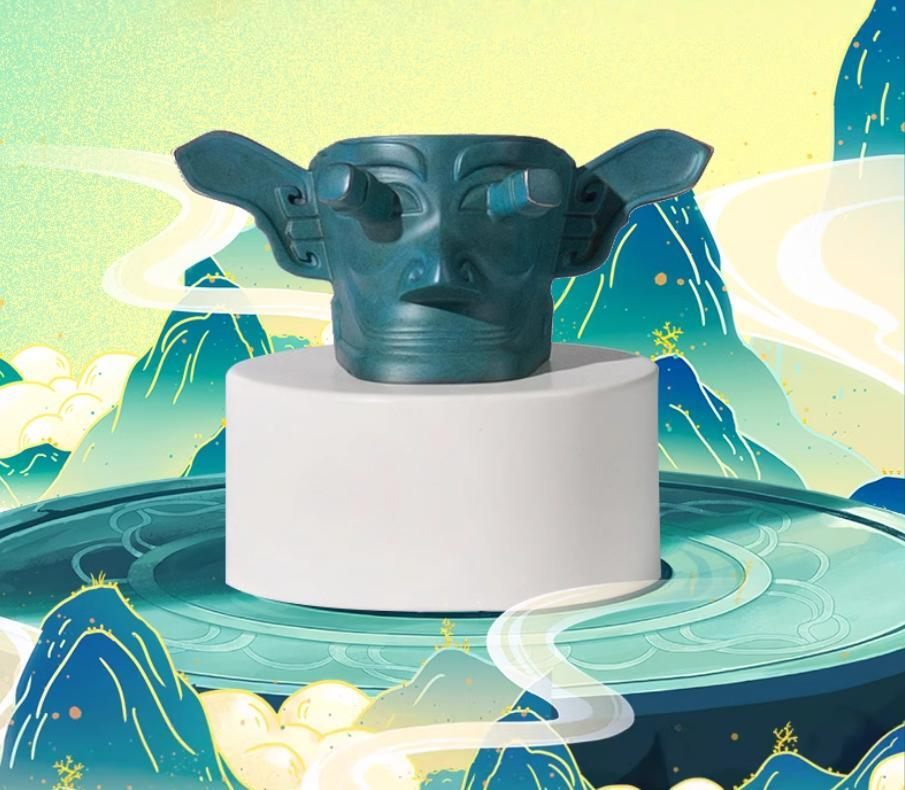

In the summer of 1976, farmers digging in Zhuangbai Village, Shaanxi Fufeng County, uncovered something extraordinary. Buried beneath the earth for nearly three millennia, a bronze ritual vessel emerged—its surface dark with age, its form elegant and deliberate. But this was no ordinary ancient Chinese bronze history artifact. Inside its shallow basin lay a secret: 284 characters of bronze inscription that would rewrite our understanding of the Western Zhou Dynasty.
This is the story of the Shi Qiang Pan, a bronze vessel that became a historical chronicle, preserving the legacy of seven Zhou kings and six generations of the mysterious Wei family lineage. It is a tale of power, loyalty, survival, and the extraordinary lengths ancient civilizations went to ensure their stories would outlast stone and bone.
The Discovery That Changed Chinese Bronze Inscriptions Forever
The year was 1976. China was emerging from the Cultural Revolution, and archaeological work was resuming across the nation. When the farmers of Shaanxi Fufeng County struck metal with their shovels, they had no idea they had found one of the most significant 1976 archaeological discovery sites in Chinese historical artifacts.
What they unearthed was a Zhou dynasty 1046-771 BC窖藏 (hoard)—a deliberate burial of 103 bronze ritual vessels. Among them, the Shi Qiang Pan stood apart. Its bronze inscription art was unprecedented: 284 characters meticulously cast into the bronze vessel's interior, forming what scholars would later call a "bronze historical source material" of unparalleled importance.
The Chinese archaeology 1976 discovery sent shockwaves through the academic world. Here, etched in ancient Chinese bronze history, was a written history that predated Sima Qian's *Records of the Grand Historian* by centuries. This was Western Zhou historical evidence in its purest form—historical authenticity captured in metal.
Seven Kings, Six Generations: The Western Zhou Seven Kings Record Inscribed in Bronze
The bronze inscription 284 characters tell a remarkable story. The first half chronicles the achievements of seven successive Zhou kings: King Wu, King Cheng, King Kang, King Zhao, King Mu, King Gong, and the reigning king at the time of casting. Each ruler's accomplishments are rendered with the precision of a royal achievement ledger:
- King Wu of Zhou: The founder who overthrew the Shang Dynasty
- King Cheng of Zhou: The consolidator who established Zhou kingdom succession
- King Kang of Zhou: The peacemaker under whose reign prosperity flourished
- King Zhao of Zhou: The expansionist whose military campaigns extended Western Zhou royal achievement
- King Mu of Zhou: The legendary traveler whose journeys reached the western frontiers
- King Gong of Zhou: The reformer who refined administrative systems
- The current king: Continuator of this illustrious ancient Chinese dynastic record
But the bronze tells ancient China history doesn't stop there. The second half of the inscription shifts focus to the Wei family historical legacy—six generations of Chinese nobility who served these kings with unwavering loyalty. This dual narrative structure makes the Shi Qiang Pan unique among Chinese bronze ritual art: it is both a royal documentation and a family chronicle, a historical record bronze that bridges the gap between imperial power and aristocratic service.
For scholars of ancient Chinese historical authenticity, this was revolutionary. The bronze vessel written history provided Zhou dynasty historical verification that complemented and sometimes corrected transmitted texts. Here was Chinese historical continuity bronze evidence—written documentation that had survived fires, wars, and the ravages of time itself.
The Mystery of the Wei Family Lineage: Chinese Aristocracy Family Story or Shang Loyalists?
One of the most compelling aspects of the Shi Qiang Pan is the identity of its creators. The Wei family—who were they? The bronze inscription reveals six generations of service:
1. The founding ancestor who received lands from King Wu
2. The second generation who consolidated family holdings
3. The third generation who served under King Kang
4. The fourth generation, including Shi Qiang himself, the caster of this bronze pan historical narrative
5. The fifth generation who maintained family prestige
6. The sixth generation who buried the bronze artifact for posterity
But here's where ancient China family chronicle gets intriguing. Some scholars argue the Wei family were ancient Chinese nobility descended from Shang Dynasty loyalists who submitted to Zhou rule. Others contend they were Zhou period historical inscription indigenous aristocrats. The bronze inscription dynasty timeline offers clues but no definitive answer.
This Chinese family six generations story represents more than genealogy. It's a political chronicle of survival—how one Chinese nobility historical record navigated the treacherous waters of Western Zhou political chronicle, maintaining status across centuries of dynastic record upheaval. The family story embedded in this bronze historical source material speaks to the sophistication of ancient Chinese historical documentation and the importance of written history in legitimizing aristocratic power.
Chinese Bronze Casting Excellence: The Art and Science Behind the Bronze Ritual Vessel
Beyond its historical evidence, the Shi Qiang Pan is a masterpiece of Chinese bronze casting. Measuring 47.3 centimeters in diameter and weighing 12.45 kilograms, this bronze vessel exemplifies Western Zhou bronze aesthetic sophistication.
The bronze surface decoration features:
- Fengniao pattern (phoenix birds with drooping crests) around the body
- Qiequ motif (coiled serpent designs) on the ring foot
- Dual handles attached to the rim
- A shallow, open basin perfect for ritual ablutions
The bronze casting technology required to create such a piece was extraordinary. Molten bronze had to be poured into piece-mold casts with perfect timing and temperature control. The 284 character bronze historical text alone required separate character molds, each positioned with mathematical precision before casting. This was ancient Chinese metal artistry at its zenith—Zhou dynasty craftsmanship that rivaled any ancient metalwork design beauty from contemporary civilizations.
For students of Chinese bronze ritual art, the Shi Qiang Pan demonstrates how Western Zhou visual art merged function with symbolism. This wasn't merely a ceremonial vessel; it was a ritual object designed for specific ancient ceremonial art purposes, its aesthetic value inseparable from its cultural art significance.
Why the Bronze Vessel Was Buried: Ancient China Royal Dynasty Documentation and the Riddle of the Hoard
Perhaps the most haunting question surrounding the Shi Qiang Pan is: why was it buried?
The Zhuangbai Village excavation revealed 103 bronze artifacts carefully arranged in a pit. This wasn't haphazard disposal—it was deliberate concealment. Scholars propose several theories:
Theory One: War and Flight
The Western Zhou Dynasty faced increasing pressure from northern nomadic tribes. Around 771 BCE, the Quanrong invasion would eventually force the Zhou capital eastward, ending the Western Zhou period. The Wei family may have buried their treasure find before fleeing, intending to retrieve it later. They never returned.
Theory Two: Ritual Interment
Some Chinese epigraphy experts suggest this was a ritual bronze burial, part of ancestral worship practices. The bronze vessel and its companions were offerings to deceased ancestors, deliberately removed from circulation.
Theory Three: Political Upheaval
The Zhou dynasty historical verification suggests internal power struggles may have forced the Wei family to hide their historical artifacts. Possession of such royal documentation could have become dangerous during succession disputes.
Whatever the reason, the 1976 China archaeological treasure find remained undisturbed for nearly 3,000 years. When farmers finally unearthed it, the bronze inscription was still legible, the Chinese historical artifacts remarkably preserved. This archaeological discovery provided Western Zhou historical evidence that transformed our understanding of ancient Chinese bronze history.
Shi Qiang Pan in Modern Context: Chinese Archaeology 1976 Discovery and Contemporary Scholarship
Since its discovery, the Shi Qiang Pan has become central to Chinese bronze inscriptions research. Distinguished scholars like Li Xueqin and Ma Chengyuan have dedicated careers to studying its bronze inscription art.
Ma Chengyuan famously declared that the Shi Qiang Pan "supplements what *Records of the Grand Historian* lacks" (可补《史记》之不足). This historical authenticity claim underscores the bronze vessel's importance as primary source material for Western Zhou Dynasty studies.
The Shi Qiang Pan is now housed in the Baoji Bronze Museum, where it serves as both historical artifact and educational tool. For visitors, it offers a tangible connection to ancient China—a bronze tells ancient China history that speaks across millennia.
For American high-knowledge audiences, the Shi Qiang Pan presents fascinating comparative opportunities. While ancient Greek and Roman civilizations were carving stone inscriptions, the Chinese were casting bronze historical records of comparable sophistication. This cross-cultural comparison challenges Western-centric narratives of historical documentation development.
The Bronze That Complements 史记 Records: Ancient Chinese Historical Documentation and Literary Legacy
The Shi Qiang Pan's influence extends beyond archaeology into literature and popular culture. Its 284-character bronze historical text has inspired:
- Historical novels exploring Wei family drama
- Documentary films about Chinese archaeology
- Academic papers on bronze inscription methodology
- Art exhibitions comparing Eastern and Western historical art
The bronze vessel has become a symbol of Chinese historical continuity—proof that ancient Chinese dynastic record keeping achieved levels of sophistication matching any world civilization. For those interested in ancient Asian historical documentation, the Shi Qiang Pan offers a window into a written tradition that prioritized permanence and accuracy.
The literary adaptation potential is enormous. Imagine the drama: a Chinese nobility family serving seven kings, navigating palace intrigue, surviving regime changes, and ultimately burying their family legacy for future generations to discover. This is epic storytelling grounded in historical fact—the kind of narrative that resonates with audiences familiar with Game of Thrones or The Crown.
Chinese Bronze Rivals Greek Historical Art: Cross-Cultural Historical Documentation Perspectives
For Western audiences accustomed to Greek and Roman historical records, the Shi Qiang Pan offers a revelatory comparison. Consider:
Greek Approach: Stone inscriptions, pottery shards, later manuscript copies
Chinese Approach: Bronze inscriptions cast during the events themselves, surviving intact
The bronze medium itself is significant. Unlike papyrus (which decays) or stone (which erodes), bronze endures. The Shi Qiang Pan proves this—its inscription remains legible after 3,000 years. This material permanence reflects a cultural priority on historical continuity that distinguishes Chinese civilization from contemporaries.
The artistic achievement is equally impressive. Western Zhou bronze aesthetic combines ritual function with visual sophistication in ways that parallel Greek vase painting or Egyptian tomb art. Yet the Chinese bronze tradition maintained continuity across dynasties, creating a visual language recognizable across centuries.
For art historians, the Shi Qiang Pan represents a convergence point—where historical documentation, artistic expression, and ritual practice merge into a single material culture artifact. This multidimensional significance makes it invaluable for understanding ancient Chinese civilization in global context.
Visiting the Shi Qiang Pan: Baoji Bronze Museum and Experiencing Chinese Historical Artifacts
For travelers interested in Chinese bronze inscriptions, the Baoji Bronze Museum in Shaanxi Province is essential. The Shi Qiang Pan is the museum's centerpiece, displayed alongside other Western Zhou bronzes from the same Zhuangbai Village hoard.
The museum experience offers:
- Close-up views of the bronze inscription (magnification available)
- Contextual exhibits on Zhou dynasty ritual practices
- Interactive displays explaining bronze casting technology
- Comparative exhibits showing Chinese bronze evolution across dynasties
For American tourists, visiting provides tangible connection to ancient Chinese history. Standing before the Shi Qiang Pan, one confronts the same bronze surface that Wei family members saw three millennia ago. The physical presence of this historical artifact transcends textbook learning—it's experiential history.
The Baoji Bronze Museum also houses related archaeological materials from the 1976 discovery, including excavation photographs, scholarly analyses, and bronze vessel replicas. This comprehensive approach helps visitors understand the Shi Qiang Pan's full historical significance.
The Enduring Legacy: Ancient Chinese Bronze History and the Shi Qiang Pan's Timeless Message
What makes the Shi Qiang Pan truly remarkable is its dual function as historical record and family memorial. It speaks to universal human concerns: How will we be remembered? What legacy will we leave? How do we ensure our stories survive?
The Wei family answered these questions by casting their chronicle in bronze—a material choice that proved prescient. Three thousand years later, their story endures, their achievements documented, their loyalty remembered.
For contemporary audiences, the Shi Qiang Pan offers lessons in historical consciousness. In an age of digital ephemera, this bronze vessel reminds us of the value of permanent record. Its 284 characters represent an investment in posterity—a belief that future generations would care about preserving truth.
The Shi Qiang Pan also demonstrates cultural sophistication. The Western Zhou Dynasty that produced this bronze masterpiece was no primitive society. It was a complex civilization with advanced metallurgy, nuanced historical awareness, and refined artistic sensibilities. Recognizing this challenges simplistic narratives about ancient Asia.
Conclusion: Bronze Vessel Written History That Transcends Time
The Shi Qiang Pan is more than an artifact. It is a testament to human ingenuity, a bridge between past and present, a proof that stories matter. Its bronze inscription preserves not just historical facts, but human aspiration—the desire to be remembered, to matter, to leave a mark.
For scholars of ancient Chinese bronze history, it remains an inexhaustible research source. For art lovers, it exemplifies Western Zhou aesthetic achievement. For general audiences, it offers a compelling narrative of power, loyalty, and survival.
The Shi Qiang Pan teaches us that history is not abstract—it is personal, material, and enduring. When we stand before this bronze vessel, we stand before memory itself, cast in metal, preserved across millennia, speaking still to those willing to listen.
In the end, the Shi Qiang Pan fulfills its creators' deepest hope: it has ensured that the Wei family story, the seven kings' achievements, and the Western Zhou Dynasty's glory will never be forgotten. This is the power of bronze—not merely as material, but as medium of immortality.