
On a sweltering July day in 1986, archaeologists digging in a remote corner of Sichuan Province China stumbled upon something that would shatter everything they thought they knew about ancient chinese civilization timeline. What emerged from the earth wasn't just another chinese artifacts found 1986—it was a 142 cm Gold Staff wrapped in pure gold, a ancient chinese royal scepter that whispered secrets of a ancient shu kingdom history so sophisticated, so mysterious, that it forced historians to rewrite the story of Chinese civilization itself.
This is the story of the Sanxingdui Gold Staff—a gold staff ancient china meaning power, mystery, and one of the most dramatic 1986 chinese archaeological find of the 20th century.
Who Discovered Sanxingdui Artifacts: The Day Everything Changed
The morning of July 18, 1986, began like any other for Chen De'an and his team from the Chinese Archaeological Institute. They were working at what locals called "Sanxingdui"—Three Stars Mound—a site in Guangan Sichuan that had yielded interesting but unremarkable finds for years. The farmers who worked the land had been finding jade and bronze fragments for generations, nothing that suggested the mystery civilization disappeared china was about to surrender its most closely guarded secret.
Then a worker's shovel hit something hard. Not stone. Not bronze. Gold.
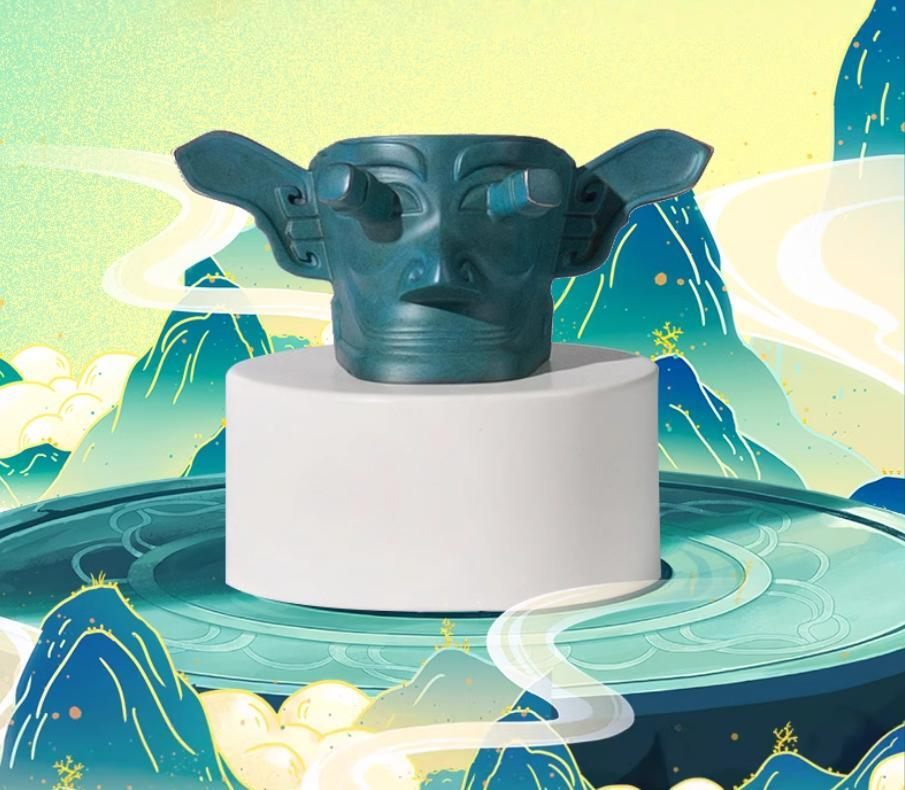
What followed was one of the most significant chinese bronze age mysteries ever uncovered. The team carefully excavated what they would later designate as Sanxingdui Sacrifice Pits—two massive pits containing over 420 artifacts, including the Sanxingdui Gold Staff, bronze masks with protruding eyes, bronze trees reaching toward the sky, and enough gold to make any archaeologist question everything they'd learned about chinese bronze age royal objects.
"We didn't realize what we had found at first," Chen De'an later recalled. "We knew it was important. But we didn't know it would change history."
The sanxingdui gold staff discovery story is more than archaeology. It's a tale of how a routine dig became the lost civilization china discovered moment that proved the Yangtze River civilization was just as advanced as the Yellow River civilization—the two cradles of Bronze Age China.
How Old Is Sanxingdui Civilization: Dating a Kingdom That Shouldn't Exist
Carbon dating and stratigraphic analysis placed the Sanxingdui Gold Staff and its companion artifacts to approximately 1200-1100 BCE—the late Shang Dynasty period. But here's what makes this chinese artifacts found 1986 so revolutionary: while the Shang Dynasty was flourishing in the Yellow River basin with its oracle bones and bronze ding vessels, a completely different civilization was thriving 1,000 kilometers to the southwest in what is now Sichuan Province China.
The ancient shu kingdom history had been mentioned only in passing in ancient texts like the *Shu Wang Ben Ji* (Records of the Shu Kings) and the *Huayang Guo Zhi* (Chronicles of Huayang). These texts spoke of legendary rulers—Can Cong, Bai Guan, Yu Fu, Du Yu—kings so mythical that modern historians dismissed them as folklore. The ancient shu rulers and kings were thought to be stories, not history.
Until the 1986 chinese archaeological find.
The Sanxingdui Gold Staff changed everything. Here was physical proof of a ancient chinese king power symbols tradition that paralleled—and in some ways surpassed—the Shang. The staff's craftsmanship, its sheer size (142 centimeters, making it the largest gold artifact ever found from chinese bronze age mysteries), and its sophisticated iconography proved that the Ancient Shu Kingdom wasn't a myth. It was an empire.
Ancient Chinese Royal Scepter: Decoding the Language of Power
The Sanxingdui Gold Staff isn't just gold. It's a political statement carved in precious metal.
Wrapped around a wooden core (long since decayed), the gold sheath bears three sets of engraved patterns: two human heads, two fish, and two birds—each fish and bird pierced by an arrow. The symmetry is deliberate. The symbolism is profound.
Scholars debate the gold staff ancient china meaning with passionate intensity. The dominant theory connects the imagery to the Yu Fu (Fish-Cormorant) dynasty mentioned in ancient texts. In this reading, the human heads represent the King of Shu himself, while the fish and bird symbolize the dual nature of his rule—mastery over both water and sky, earth and heaven. The arrows piercing them? That's the king's power to command even nature itself.
But there's another layer. The ancient chinese royal scepter form is almost unheard of in Bronze Age China. The Shang and Zhou dynasties used ding vessels, jade bi discs, and bronze bells as symbols of power. A gold staff? That's more ancient egyptian royal scepter than ancient chinese king power symbols.
This has led to one of the most contentious debates in chinese bronze age mysteries: did the Ancient Shu Kingdom develop independently, or did it have contact with civilizations to the west? The sanxingdui vs shang dynasty comparison reveals striking differences—Sanxingdui's use of gold, its distinctive bronze masks, its sanxingdui祭祀坑 (sacrifice pits) filled with deliberately broken treasures—all point to a culture that was either influenced by or parallel to the great civilizations of Mesopotamia and Egypt.
What Happened to Ancient Shu People: The Vanishing of a Civilization
Here's where the sanxingdui gold staff discovery story takes a darker turn.
Around 1000 BCE, give or take a century, the Ancient Shu Kingdom simply... disappeared. The Sanxingdui Sacrifice Pits themselves hold a clue. Every artifact found in the pits shows signs of deliberate destruction—burned, broken, buried. This wasn't a gradual decline. This was an ending.
Archaeologists and historians have proposed numerous theories for what happened to ancient shu people:
The War Theory: The Shu kingdom was conquered—perhaps by the expanding Zhou Dynasty to the north. The ancient chinese burial treasures were ritually destroyed before burial to prevent their use by conquerors.
The Ritual Theory: The pits represent a massive state sacrifice, a final ceremony before the capital was moved. The sanxingdui sacrifice pits explained as a religious act, not a military defeat.
The Environmental Theory: Climate change, flooding, or resource depletion forced migration. The mysterious chinese archaeological sites we see today are the abandoned capital of a kingdom that moved on.
The Assimilation Theory: The Shu people weren't destroyed—they were absorbed. Their culture merged with incoming groups, leaving traces in later Sichuan cultures but losing their distinctive identity.
The truth is, we don't know. And that uncertainty is precisely what makes the Sanxingdui Gold Staff so captivating to ancient chinese civilization timeline enthusiasts worldwide. It's a lost chinese kingdom before qin that flourished, created wonders, and then vanished—leaving behind only these ancient chinese artifacts with inscriptions-free treasures that speak in symbols rather than words.
Sanxingdui Museum Sichuan China: Where the Gold Staff Rests Today
Today, the Sanxingdui Gold Staff resides in the Sanxingdui Museum Sichuan China, purpose-built to house the extraordinary finds from the 1986 excavation. The museum has become one of the most important mysterious chinese archaeological sites destinations in Asia, drawing scholars and tourists who come to witness the chinese artifacts found 1986 that changed history.
Visitors to the Sanxingdui Museum can see the 142 cm Gold Staff in person, along with the bronze masks with their alien-like protruding eyes, the towering bronze trees that seem to reach for heaven, and hundreds of other artifacts that prove the ancient shu kingdom history was real.
The museum has also become a center for sanxingdui vs shang dynasty research, hosting international conferences where scholars debate the sanxingdui sacrifice pits explained question, the ancient chinese gold working techniques that produced such masterpieces, and the broader implications for understanding Bronze Age China as a multi-centered civilization rather than a single Yellow River narrative.
Ancient Chinese Gold Working Techniques: The Craftsmanship Behind the Staff
Creating the Sanxingdui Gold Staff required extraordinary skill. The ancient chinese gold working techniques employed here were sophisticated beyond what historians previously credited to chinese bronze age royal objects craftsmen.
The gold sheath was created through hammering (repoussé technique), where a sheet of gold was repeatedly hammered to achieve the desired thinness and shape. The decorative patterns—the human heads, fish, birds, and arrows—were then engraved using chiseling tools. This ancient chinese goldsmithing required not just technical skill but artistic vision.
Consider this: the Sanxingdui Gold Staff weighs approximately 463 grams. That's over a pound of pure gold, worked into a sheet thin enough to wrap around a wooden core, yet durable enough to survive 3,000 years underground. The chinese ancient gold artifacts craftsmanship rivals anything produced in contemporary Egypt or Mesopotamia.
This level of ancient chinese gold working techniques raises questions about the economic organization of the Ancient Shu Kingdom. Where did the gold come from? (Sichuan has gold deposits, but were they exploited this early?) Who controlled the ancient chinese king power symbols production? Was there a specialized class of goldsmiths serving the ancient shu rulers and kings?
These questions remain partially unanswered, but the Sanxingdui Gold Staff itself is proof that the ancient shu kingdom history included artisans capable of working at the highest levels of chinese bronze age mysteries craftsmanship.
Sanxingdui Gold Artifacts List: The Staff's Companions in Discovery
The Sanxingdui Gold Staff wasn't found alone. The sanxingdui gold artifacts list from the 1986 excavation includes:
- Gold Mask Fragments: Portions of a gold-covered bronze mask, suggesting that gold was used to denote divine or royal status
- Gold Leaf Decorations: Thin gold sheets applied to bronze objects, indicating ancient chinese ceremonial weapons and ritual items were enhanced with precious metals
- Gold Bands and Ornaments: Various decorative elements that adorned clothing, headdresses, or ritual objects
Together, these sanxingdui gold artifacts list items prove that gold held special significance in ancient shu kingdom history. Unlike the Shang Dynasty, which favored bronze and jade, the Shu kingdom embraced gold as a primary medium for ancient chinese royal scepter and sacred objects.
This preference for gold has led some scholars to speculate about sanxingdui vs shang dynasty cultural differences. Was the Shu kingdom more connected to western trade routes where gold was valued? Or did they independently develop a ancient chinese gold working techniques tradition that simply diverged from the Yellow River norm?
The sanxingdui gold staff discovery story is richer when understood in this context—the staff wasn't an anomaly. It was part of a broader ancient chinese king power symbols system that placed gold at the center of royal and religious authority.
Chinese Artifacts Found 1986: The Ongoing Legacy of Discovery
Forty years after that July morning in 1986, the impact of the chinese artifacts found 1986 continues to reverberate through archaeology, history, and popular culture.
The Sanxingdui Gold Staff has become an icon—not just of ancient chinese civilization timeline studies, but of the broader human quest to understand our past. It represents the moment when a lost civilization china thought it knew was revealed to be far more complex, far more mysterious, than anyone imagined.
New excavations at Sanxingdui continue. In 2020-2022, six additional pits were discovered, yielding thousands more artifacts. Each new find adds to the sanxingdui gold artifacts list, each new discovery deepens the chinese bronze age mysteries.
But the Sanxingdui Gold Staff remains the crown jewel—the ancient chinese royal scepter that proved the Ancient Shu Kingdom was real, that what happened to ancient shu people may never be fully known, and that history is always ready to surprise us.
For visitors to the Sanxingdui Museum Sichuan China, standing before the 142 cm Gold Staff is a humbling experience. Here is an object that survived 3,000 years of burial, fire, and time itself. Here is proof that the ancient shu kingdom history was written not just in texts, but in gold.
Mystery Civilization Disappeared China: Why Sanxingdui Still Matters
The Sanxingdui Gold Staff matters because it challenges our assumptions. It forces us to confront the reality that the ancient chinese civilization timeline is far more complex than the traditional Yellow River narrative suggests.
For Western audiences accustomed to thinking of ancient China as a monolithic civilization centered on the Shang and Zhou dynasties, Sanxingdui is a revelation. Here was a lost civilization china that developed independently, created its own artistic traditions, developed its own ancient chinese king power symbols, and then vanished—leaving behind only these mysterious chinese archaeological sites as proof it existed.
The sanxingdui vs shang dynasty comparison reveals a Bronze Age China that was multi-centered, diverse, and far more interconnected than previously thought. The Sanxingdui Gold Staff isn't just an ancient chinese royal scepter—it's evidence of a different way of being Chinese, a different expression of ancient chinese civilization timeline complexity.
And perhaps most importantly, the Sanxingdui Gold Staff reminds us that history is never finished. The 1986 chinese archaeological find that revealed the staff was accidental. The sanxingdui gold staff discovery story could have remained buried forever. How many other lost civilization china stories are still waiting beneath the earth, waiting for the next Chen De'an to pick up a shovel and change everything we think we know?
Ancient Chinese Royal Scepter: A Symbol That Transcends Time
In the end, the Sanxingdui Gold Staff is more than an artifact. It's a bridge—between past and present, between East and West, between what we know and what we'll never know.
It's a ancient chinese royal scepter that speaks to universal human themes: power, mystery, creation, loss. It's a gold staff ancient china meaning that resonates with anyone who has ever wondered about the civilizations that came before, the ancient shu rulers and kings who ruled with authority we can only imagine, the what happened to ancient shu people question that haunts every archaeologist.
The Sanxingdui Gold Staff is proof that the ancient chinese civilization timeline holds secrets we're only beginning to understand. It's a 142 cm Gold Staff that measures not just length, but the depth of human history itself.
And it's a reminder that sometimes, the most important chinese artifacts found 1986 aren't the ones we're looking for—they're the ones that find us, when we least expect it, on a hot July morning in a field called Three Stars Mound, when a shovel hits gold and history changes forever.
The Sanxingdui Gold Staff continues to be studied, debated, and admired. As new excavations reveal more about the Ancient Shu Kingdom, our understanding of this extraordinary artifact—and the civilization that created it—will only deepen. For now, it remains one of the most compelling ancient chinese gold artifacts ever discovered, a golden thread connecting us to a lost civilization china that refused to be forgotten.