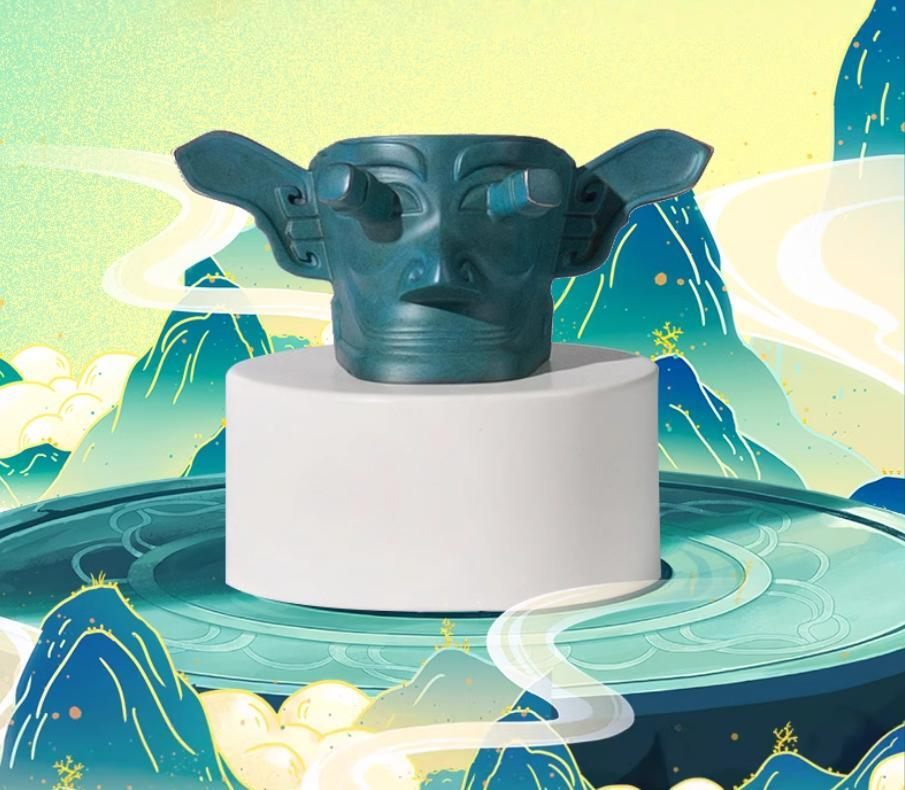

The Discovery That Rewrote Art History
When local brick factory workers struck metal on that summer day in 1986 archaeological discovery, they had no idea they were about to uncover one of the most sophisticated examples of ancient chinese bronze art ever created. What emerged from the earth near Guanghan City, Sichuan Province, would challenge everything Western art historians thought they knew about bronze age sculptural techniques china.
The Bronze Standing Figure—a 260.8 cm towering masterpiece weighing 180 kg—stood as silent testimony to a lost bronze civilization of asia that flourished alongside ancient Egypt and Mesopotamia, yet remained hidden from Western consciousness for three millennia.
This is not merely a story about sanxingdui museum famous artifacts. This is a journey into the mind of ancient asian bronze sculpture styles so advanced, so aesthetically sophisticated, that it forces us to reconsider the entire narrative of prehistoric chinese art masterpieces.
Breaking Western Art Historical Frameworks
The Cognitive Disruption
Here's what chinese bronze age without written records teaches us: artistic genius doesn't require alphabetic documentation. The shu civilization unique art style emerged in the Yangtze River Valley around 1200-1100 BCE—the same era when Egyptian artisans were perfecting their canonical proportions and Greek kouros statues were still centuries away from emergence.
Yet Western art history curricula barely mention ancient shu artistic traditions. Why?
The Bronze Standing Figure represents a bronze age mystery beyond oracle bones—a chinese bronze age rival to egypt that operated on entirely different aesthetic principles. While Egyptian sculptors pursued rigid frontal symmetry and idealized permanence, Shu Kingdom artists embraced something far more intriguing: eastern expressionism ancient art.
The Three-Layer Revelation
Examine the bronze statue clothing patterns closely. The figure wears three layer robes, each rendered with meticulous attention to textile flow and decorative complexity. This isn't primitive simplification—this is bronze figure with elaborate clothing that demonstrates an understanding of drapery that wouldn't appear in eastern vs western bronze sculpture comparisons until Greek Hellenistic period.
The bronze surface decoration features dragon patterns, bird motifs, and geometric designs that pulse with rhythmic energy. These aren't mere ornaments—they're bronze age decorative pattern meaning encoded into the very fabric of the sculpture, creating what art historians might call a sanxingdui artistic achievement bronze age statement.
Deconstructing the Aesthetic Philosophy
Proportion and Presence
Stand before the tallest ancient bronze human statue of its era and you'll notice something remarkable. The sanxingdui bronze figure proportions don't follow Greek golden ratio principles. They don't adhere to Egyptian canonical grids. Instead, they embody what we might term ancient chinese aesthetic philosophy—a system where spiritual presence outweighs anatomical precision.
The figure stands 172 cm tall (roughly 5'8"), but the bronze figure base design meaning adds another 88.8 cm of ceremonial elevation. This isn't arbitrary. The square base adorned with bronze statue base design meaning creature motifs creates a platform that transforms human scale into divine presence.
Western sculptors would spend another thousand years grappling with similar questions of bronze age human figure sculpture and sacred proportion.
The Gesture That Speaks Volumes
Perhaps the most arresting feature: those symbolic hand gestures. The arms extend forward, elbows angled, hands forming perfect circles. What once filled those voids? Scholars propose ancient priest holding ceremonial objects—perhaps ivory tusks, jade cong tubes, or ritual scepters.
But here's the artistic brilliance: the bronze statue symbolic hand gestures create negative space that becomes more powerful than any physical object could be. This is ancient chinese ritual art objects thinking at its most sophisticated—the void itself carries meaning.
Compare this to comparison egyptian chinese bronze art. Egyptian statues clutch their attributes with literal certainty. The Bronze Standing Figure invites us into sanxingdui bronze masterpiece analysis by leaving the central mystery unresolved. It's chinese bronze art western perspective meets ancient shu religious and rituals ambiguity.
Technical Mastery as Artistic Statement
The Casting Achievement
Let's address the ancient chinese metal casting art elephant in the room. Creating a 180 kg bronze figure in late shang dynasty required technological sophistication that rivals any bronze age chinese ceremonial objects production center worldwide.
The bronze casting technique employed piece-mold assembly—head, torso, base cast separately, then joined with invisible precision. This bronze figure craftsmanship represents chinese bronze art historical significance at its peak. The alloy composition (copper, tin, lead in precise ratios) demonstrates metallurgical knowledge that would make any ancient chinese bronze craftsmanship specialist marvel.
When we discuss bronze age sculptural techniques china, we're discussing a bronze age chinese aesthetic values system where technical excellence serves spiritual expression.
Surface Treatment and Patina
The sanxingdui bronze surface decoration wasn't left to chance. Every decorative pattern was intentionally positioned to catch light, create shadow, guide the viewer's eye upward from the ritual bronze figure artistic value base toward the enigmatic face.
Three thousand years of burial created a patina that modern conservators carefully preserve. This ancient chinese bronze dragon patterns surface tells its own story of time, earth, and resurrection.
The Cultural Context Behind the Art
Shu Aesthetic Independence
Why does shu civilization unique art style look nothing like zhongyuan (Central Plains) chinese bronze age art? The answer lies in ancient shu capital location geography and cultural autonomy.
The Sichuan Basin, surrounded by mountains, developed sichuan bronze tradition in relative isolation. This regional art evolution produced sanxingdui art style analysis that feels simultaneously ancient and startlingly modern.
When Western viewers encounter mysterious bronze artifacts from china, they often try to force eastern expressionism into familiar categories. But sanxingdui bronze figure identity mystery resists such classification. This is pre-qin artistic achievement that operates on its own terms.
Ritual Function as Artistic Driver
Understanding ancient chinese ritual bronze human form requires recognizing that bronze age chinese ceremonial objects weren't created for gallery display. The Bronze Standing Figure served ancient chinese rituals in sacrificial pit no.2—a sacred context where art met spirituality.
The elaborate clothing, the ceremonial dress art, the ritual bronze art positioning—all served shu kingdom before qin dynasty religious practice. Yet this functional origin doesn't diminish its artistic achievement. If anything, it enhances our sanxingdui museum art collection appreciation.
Cross-Cultural Artistic Dialogues
Egypt, Greece, and Shu: A Triangular Comparison
Place the Bronze Standing Figure beside Egyptian bronze age statuary and you'll notice: Egyptians pursued eternal stillness; Shu artists captured ritual dynamism. Compare it to Greek kouros sculptures (which appear 500 years later) and you'll see: Greeks idealized athletic youth; Shu sculptors emphasized ceremonial authority.
This eastern vs western bronze sculpture conversation reveals something profound: ancient asian bronze sculpture styles developed sophisticated aesthetic vocabularies independently, yet arrived at similarly powerful solutions to representing the human form in bronze age mystery civilizations.
The Modern Art Connection
Here's where chinese bronze art western perspective gets fascinating. Look at the bronze figure three layer robes with their flowing, abstracted folds. Consider the facial features—enlarged eyes, simplified planes, expressive abstraction.
Does this remind you of early 20th century expressionism? Of Modigliani's elongated figures? Of Brancusi's simplified forms?
The sanxingdui art aesthetic anticipated modern artistic abstraction by three millennia. This isn't coincidence—it's evidence that ancient chinese aesthetic philosophy tapped into universal principles of sculptural art that transcend temporal boundaries.
The Mystery That Enhances the Art
What Those Hands Once Held
We'll never know with certainty what filled those empty hands. This chinese bronze figure with empty hands ambiguity is itself an artistic statement. The missing ceremonial objects create a visual tension that draws viewers deeper into sanxingdui archaeological discovery story.
Some scholars suggest ivory—abundant in ancient shu territory. Others propose jade cong—ritual tubes found in bronze age chinese ceremonial objects contexts. A few argue for wooden scepters that decayed over three thousand years.
But perhaps the uncertainty is the point. The bronze standing figure invites us into active interpretation—a very modern artistic approach from a late shang dynasty creator.
Why Was It Buried?
The why was sanxingdui buried question enhances the artistic mystery. These bronze artifacts weren't casually discarded. They were carefully arranged, deliberately broken, ritually interred.
This intentional burial transformed functional ritual objects into time capsule art. The 1986 discovery wasn't just archaeological—it was an aesthetic resurrection.
The Contemporary Relevance
Why Western Museums Lack Shu Bronzes
The why western museums lack shu bronzes question reveals uncomfortable truths about cultural heritage and colonial collecting practices. Unlike Egyptian antiquities or Greek marbles, sanxingdui bronze pieces remained in Chinese soil until modern archaeological protocols emerged.
This means sanxingdui museum holds the definitive ancient shu dynasty rulers collection. Western audiences must travel to Guanghan City to experience bronze age masterpiece authenticity.
Lessons for Contemporary Artists
What can modern sculptors learn from ancient chinese bronze casting techniques?
First: technical mastery serves artistic vision, not the reverse. Second: cultural specificity creates universal resonance. Third: mystery and ambiguity can be more powerful than literal representation.
The bronze standing figure teaches us that great art transcends its original context while remaining rooted in cultural tradition.
Conclusion: The Enduring Power of Eastern Expressionism
The Bronze Standing Figure stands as proof that ancient chinese bronze art achieved aesthetic sophistication matching any world civilization. Its three thousand year journey from ritual object to museum masterpiece mirrors humanity's evolving understanding of what art means.
When you encounter this sanxingdui bronze figure in person—whether at Sanxingdui Museum or through digital reproduction—remember: you're witnessing eastern expressionism before the term existed. You're seeing ancient shu artistic traditions that challenged artistic conventions then and continue challenging them now.
This is chinese bronze art historical significance. This is bronze age chinese aesthetic values made manifest. This is ancient asian bronze sculpture styles at their most powerful.
And this is why the Bronze Standing Figure deserves its place among world art masterpieces—not as exotic curiosity, but as aesthetic achievement that speaks across cultures, centuries, and continents.